

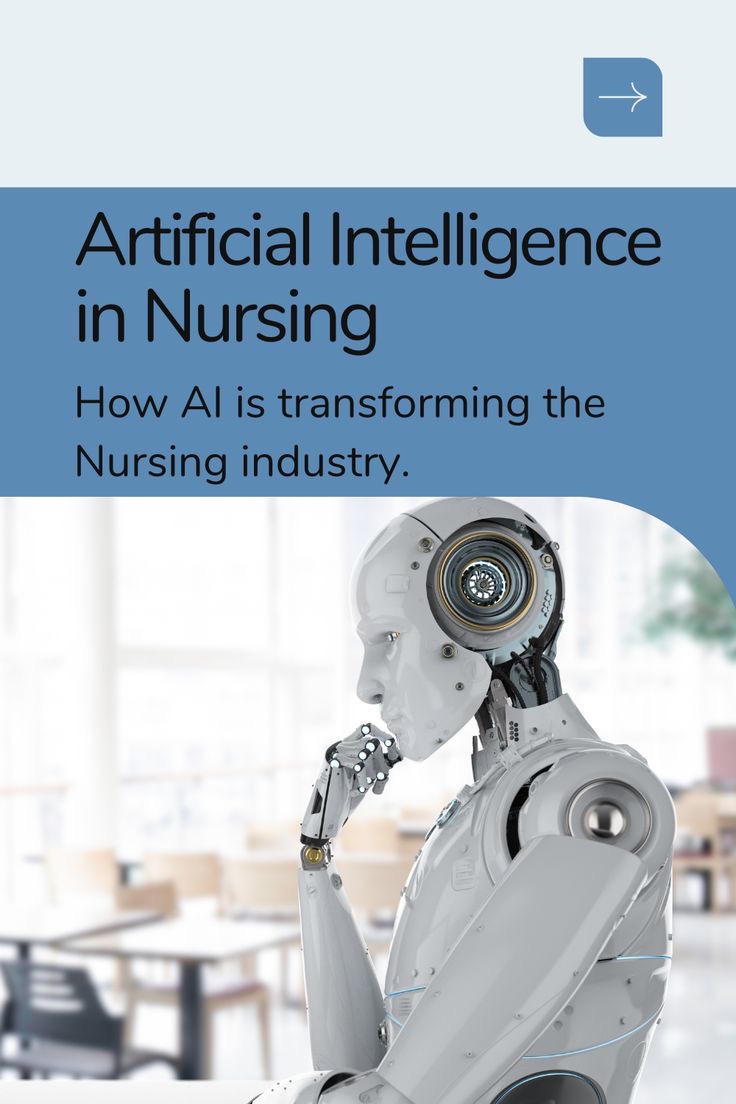
Artificial Intelligence (AI) is reshaping the global health care landscape. From speeding up diagnoses to personalizing treatments, AI is not just a futuristic concept—it’s here, and it’s saving lives. As hospitals, researchers, and startups rapidly adopt machine learning and data-driven systems, health care is entering a new era of efficiency, accuracy, and innovation.
In this article, we’ll explore how AI is transforming diagnostics, automating clinical workflows, aiding drug discovery, enabling personalized medicine, and what challenges lie ahead for widespread implementation.
🧠 AI-Powered Diagnostics
One of AI’s most promising applications is in medical diagnostics. AI algorithms trained on thousands of medical images can now detect diseases such as cancer, pneumonia, and diabetic retinopathy—often with accuracy rivaling or exceeding that of human specialists.
For instance, Google’s DeepMind has developed an AI system that can identify over 50 eye diseases with 94% accuracy. This technology is helping clinicians diagnose faster and reduce errors, especially in radiology and pathology departments.
🔗 Related Reading: AI Applications in Radiology
⚙️ Automation in Clinical Workflows
Health care operations are often bogged down by repetitive administrative tasks. AI is solving this with smart automation.
Hospitals are now using AI chatbots to schedule appointments, answer patient queries, and even collect intake data. In billing departments, machine learning models detect anomalies and prevent fraudulent claims.
This automation reduces staff burnout, cuts administrative costs, and frees up time for patient-centered care.
🔗 Related Post: Top Health Care Automation Tools
🧪 AI in Medical Research & Drug Discovery
Developing new drugs can take over a decade—but AI is changing that. Machine learning accelerates this process by analyzing vast biomedical datasets to identify potential drug candidates and simulate how they’ll work.
For example, BenevolentAI and Atomwise use AI to predict molecular behavior, dramatically shortening the research timeline and lowering R&D costs.
🧬 Personalized Medicine & Genomics
AI’s ability to analyze genetic data at scale is powering personalized medicine—treatments tailored to an individual’s unique genetic makeup.
In oncology, AI platforms suggest custom treatment plans based on tumor DNA. This leads to better outcomes, especially for complex conditions where one-size-fits-all therapies often fall short.
⚠️ Challenges & Ethical Considerations
Despite its promise, AI in health care comes with concerns. Data privacy is a major issue, especially when sensitive patient records are involved. Additionally, algorithmic bias—when AI models reflect inequalities in the data they’re trained on—can worsen health disparities.
There’s also the question of accountability: who’s responsible when an AI system makes a wrong diagnosis? Regulators are now racing to set standards to ensure safety, transparency, and ethical AI deployment.
🔮 Future Trends in Health Care AI
The next frontier includes federated learning, which allows institutions to train models collaboratively without sharing data. Edge AI will enable devices like portable diagnostic tools to work without cloud connections.
By 2030, AI is expected to play a role in everything from robotic surgeries to mental health support apps.
🙋 Frequently Asked Questions (FAQ)
1. What is AI in health care?
AI refers to smart algorithms that analyze medical data to assist in diagnosis, treatment planning, and operations.
2. How accurate are AI diagnostics?
Studies show AI can match or exceed doctors in specific tasks, like identifying lung cancer on scans with up to 95% accuracy.
3. Is patient data safe with AI?
Yes—leading AI systems use encryption, anonymization, and follow HIPAA and GDPR guidelines.
4. Can AI replace doctors?
No—AI supports doctors by offering decision-making assistance, but human judgment remains essential.
5. Where can I learn more about AI in health care?
Explore our AI Applications section or read our latest case studies.
📈 Final Thoughts
AI is more than a tool—it’s a transformation. With benefits that include faster diagnoses, tailored treatments, and streamlined operations, AI is set to become a permanent fixture in modern medicine. But its success depends on ethical oversight, inclusive datasets, and collaborative development between tech and medical experts.
At BizzMags, we’ll keep you updated on the most impactful health care innovations. Stay tuned.


